Why Central Florida Property Owners Should Use a Properly Trained Asbestos Professional
Property owners in Central Florida deal with a very particular mix of risks. A house or commercial building might be old enough to contain asbestos in original materials, humid enough to grow mold fast after a leak, and exposed enough to weather that a summer storm can turn a small maintenance issue into a much larger restoration problem in a day or two. In that setting, the difference between a careful response and a casual one matters.
That is especially true with asbestos.
When people hear the word, they often jump straight to demolition scenes or industrial buildings. In real life, the problem is usually less dramatic and more ordinary. A remodeling project opens a wall. Old floor tile starts cracking. Ceiling material is damaged by a roof leak. Pipe wrap gets bumped during plumbing work. Siding or shingles break during repairs. The danger is not simply that asbestos may be present in an older structure. The real issue is that renovation, damage, or poor handling can disturb asbestos-containing materials and release fibers.
That is why property owners in this region should bring in a properly trained asbestos professional, not a general handyman, not a well-meaning maintenance tech, and not a contractor guessing from experience alone.
Central Florida properties face a realistic asbestos question
Central Florida is not one place in the way people talk about it casually. Conditions vary from one city to the next, but Lake, Orange, Seminole, and Osceola counties are all part of the same broader regulatory picture for asbestos oversight through the Florida Department of Environmental Protection's Central District program. For owners with properties across the region, that matters. The issue is not just local custom or a contractor's preference. There is a real framework behind how asbestos is supposed to be handled.
Florida's asbestos program is intended to minimize the release of asbestos fibers during abatement, remediation, handling, and disposal of asbestos-containing materials. That goal sounds simple, but it carries a practical lesson: the work is not only about removing something from a building. It is about preventing fibers from being released in the first place, then making sure the material is managed properly all the way through disposal.
A lot of trouble starts when an owner treats suspected asbestos like ordinary debris. Broken tile goes into a contractor bag. Damaged wall material gets pulled out in chunks. Roofing or siding fragments get swept up after a storm. The instinct is understandable. People want to clean up and move https://envirotechsolutionsfl.com/services-areas/groveland/ on. But with asbestos, speed without training can make the site less safe, not more.
In communities around Lake County and nearby areas, that can become very relevant during repairs after age-related deterioration, tenant turnover, water intrusion, or storm damage restoration Florida projects. The building does not have to be falling apart for asbestos to become part of the conversation. It only has to have older materials that are damaged or likely to be disturbed.
Older materials do not become safer because they have been there for decades
One of the most common mistakes I see in property conversations is the assumption that if a material has been sitting undisturbed for years, there is no reason to worry about it now. That idea only holds up if it truly remains undisturbed. The moment renovation begins, or damage occurs, the picture changes.
EPA guidance is very clear on the kind of materials that can raise concern in older homes and buildings. Asbestos may be found in materials such as floor tile, ceiling tile, pipe wrap, siding, or shingles. None of those are exotic. They are ordinary building components. That is exactly why owners underestimate them.
The most important distinction is not whether the building "looks dangerous." It is whether the material is damaged or whether planned work could disturb it. If either of those is true, a properly trained and accredited asbestos professional is the right next call.
That point is easy to miss during cosmetic remodeling. Someone wants to update flooring in an older rental. A retail tenant wants a new ceiling layout. A plumber needs access around old insulated lines. A roof repair crew removes damaged exterior material after a storm. Each trade may be focused on its own task, and none of those tasks may sound like "asbestos work" at first. Yet each one can disturb materials that deserve professional evaluation.
Florida weather turns building damage into a chain reaction
In Central Florida, asbestos questions rarely arrive by themselves. They often show up in the middle of another loss.

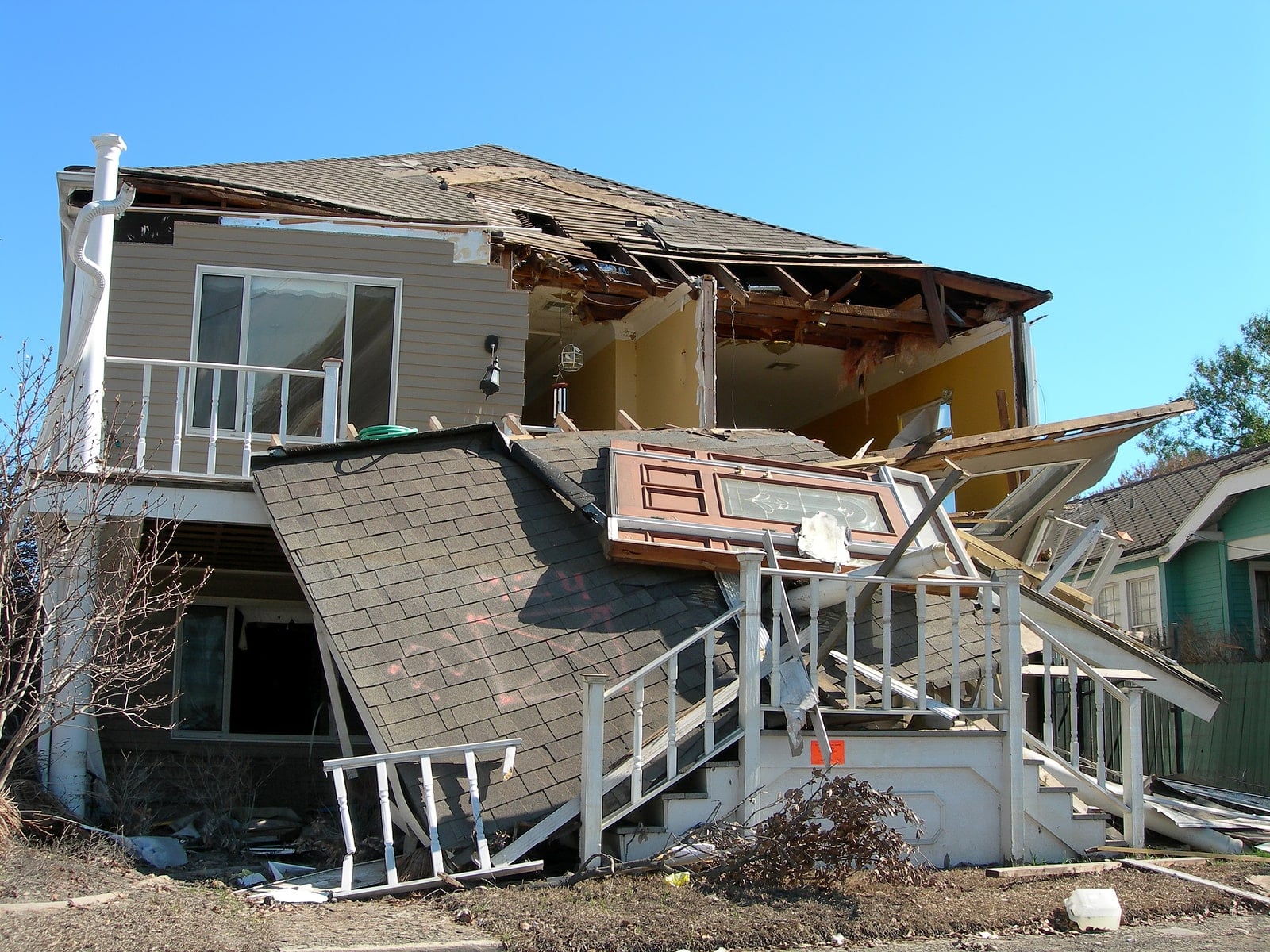
A roof leak leads to wet ceiling material. A plumbing failure saturates flooring and wall cavities. Wind-driven rain damages exterior materials. A fire is extinguished, and the response team now has smoke damage, water damage, and broken building materials to sort through at once. In those moments, owners are juggling urgent needs and trying to get a property back online. That is when untrained decisions happen.
Water creates particular pressure because mold can follow quickly. Florida health guidance notes that mold is strongly linked to moisture, indoor humidity should be kept below 60 percent, and standing water for even 24 hours can allow common molds to take hold. That timeline is short. It pushes owners toward immediate action, which is appropriate, but immediate action still needs to be the right action.
A trained professional understands that a wet building may need fast drying, careful containment decisions, and material-specific judgment all at the same time. If suspected asbestos-containing materials are part of the damaged area, the response cannot be treated as simple tear-out.
This is where the bigger restoration picture matters. An experienced company handling water damage restoration Central Florida losses or fire damage restoration jobs may also be dealing with mold concerns, smoke residue, debris, and time-sensitive stabilization. Those are real needs. But if asbestos is part of the affected assembly, the work has to be approached with the proper level of training and accreditation. Otherwise, one emergency can create another.
A properly trained asbestos professional brings judgment, not just equipment
People sometimes imagine that the value of a specialist is mostly in special tools or protective gear. The gear matters, of course, but the real value is judgment.
A properly trained asbestos professional knows the difference between material that can remain undisturbed, material that requires controlled handling, and material that should not be touched until the right procedures are in place. They understand that minimizing fiber release is the core objective. They also understand that handling and disposal are part of the same responsibility, not an afterthought.
That kind of judgment protects more than the immediate work area. It protects the property owner's schedule, the other trades on site, the occupants, and the downstream cleanup process. Once fibers are released, the problem is no longer confined to the cracked tile or damaged wrap where it started.
For owners trying to coordinate multiple services, that matters more than they may realize. A job can already involve mold remediation Lake County services after a leak, odor elimination after smoke or water damage, HVAC concerns if contaminated air pathways are suspected, or even biohazard cleanup in certain severe loss situations. Layering asbestos mistakes on top of any of that only complicates an already stressful event.
Why DIY and improvised contractor fixes go wrong
Many property owners are practical people. They have fixed plenty of things themselves. They know how to patch drywall, replace trim, or rip out wet carpet. That background can actually make asbestos risk more deceptive, because the work often starts with familiar materials.
The problem is that familiarity with renovation does not equal training in asbestos handling.
A small example illustrates the issue. Picture an older property with water damage around a bathroom floor. The owner sees stained vinyl tile or an older backing material and decides to pull it up to help the floor dry faster. That instinct comes from a reasonable place. Drying matters, and both health and disaster guidance stress that removing water and drying the property quickly is important to prevent mold damage after flooding or leaks. But if the flooring is a suspect asbestos-containing material, the quick tear-out may turn a moisture problem into a contamination concern.
The same pattern shows up after storms. Exterior damage needs attention, and people want broken materials off the building quickly. Yet older siding or shingles can be part of the asbestos conversation. The urgency is real, especially in storm damage restoration Florida work, but urgency does not cancel the need for proper handling.
Improvised cleanup also tends to overlook the HVAC system. Florida health guidance notes that if a central HVAC system needs a dehumidifier to get below 60 percent relative humidity, the air conditioning system should be examined for problems. It also advises that if HVAC may be contaminated with mold, homeowners should consult EPA guidance before taking further action. In practice, that means a damaged building is not just about the visibly wet room. Air movement, humidity control, and contamination pathways matter. A contractor who is guessing can easily miss that bigger picture.
The first call matters more than most owners realize
Once asbestos is suspected, the earliest decisions shape everything that follows. Owners often ask when they should stop and get a trained asbestos professional involved. The answer is usually earlier than they think.
Here are some common moments when that call makes sense:
- renovation is planned in an older home or building where materials like floor tile, ceiling tile, pipe wrap, siding, or shingles may be disturbed
- visible damage affects older building materials after a leak, storm, or other incident
- a contractor recommends tearing out or breaking apart old materials without clear asbestos training or accreditation
- water, fire, or impact damage has turned a stable material into a friable or broken one
- multiple restoration issues are happening at once, such as moisture, mold, debris, and possible asbestos in the same area
That list is not meant to create panic. It is meant to encourage better timing. Getting the right person involved before demolition starts is almost always easier than trying to correct a bad approach after the fact.
Asbestos is rarely the only issue in a Florida property loss
One reason owners delay bringing in specialists is the feeling that they are already calling too many people. There is the roofer, the plumber, the mitigation crew, the insurance adjuster, the tenant, the property manager. Adding one more expert can feel like one more complication.
In reality, the trained asbestos professional often helps simplify the job because they define the boundaries of safe work. Once those boundaries are clear, the rest of the restoration team can act with fewer guesses.
That is especially useful in Florida, where moisture control becomes urgent very quickly. Mold should be removed promptly, and if it returns quickly, an underlying leak or moisture source should be fixed first. That is practical guidance every property owner can understand. No one wants to pay for cleanup twice. A proper response identifies the moisture source, addresses drying, and avoids disturbing suspect materials the wrong way along the way.
This is also where IICRC-certified remediation becomes relevant in a broader sense. The restoration industry has published standards for water damage restoration, mold remediation, HVAC assessment after water, fire, or mold damage, and fire and smoke damage restoration. Those standards do not replace asbestos-specific training, but they reinforce an important point: professional restoration work is built on procedures, not improvisation. If a company talks about being serious with water, mold, HVAC, or fire losses, that same seriousness should extend to suspected asbestos.
Owners should be cautious of anyone who sounds highly professional on mold or water but casual on old building materials. A company can be excellent at drying a structure and still be the wrong choice to make decisions about suspect asbestos-containing materials unless they have the proper training and accreditation for that part of the work.
The Central Florida climate raises the stakes
Humidity changes the pace of a project. In a drier climate, an owner may have more breathing room while they sort out damaged materials. In Central Florida, wet conditions and high indoor humidity can push a building downhill fast if the response is delayed or poorly coordinated.
That does not mean rushing into demolition. It means creating a smart sequence.
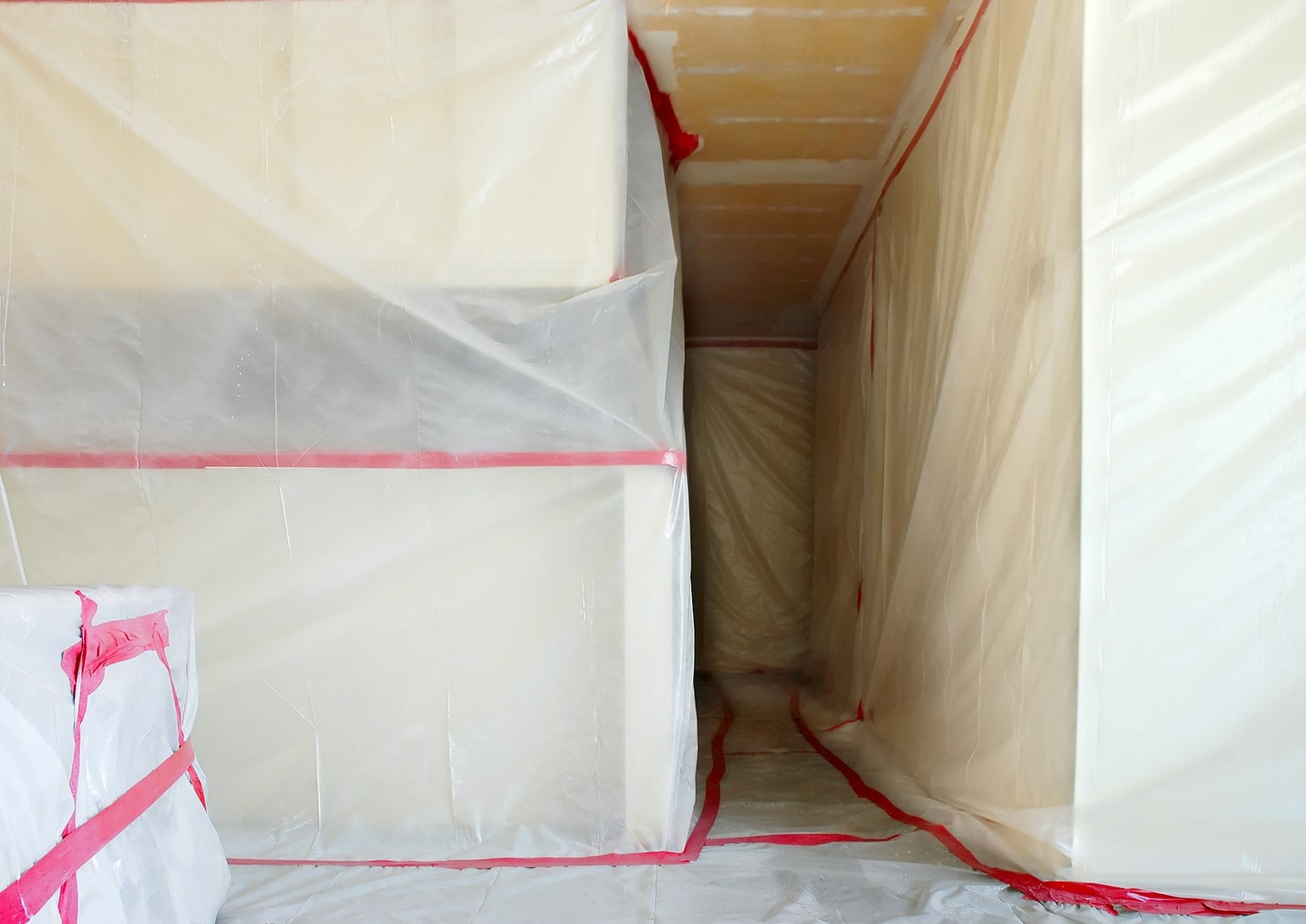
First, protect the property from ongoing water entry if that is the active issue. Then get the right professionals looking at the damaged materials before they are disturbed. After that, move forward with drying, moisture control, and restoration in a way that respects both mold prevention and asbestos safety.
That sequencing matters because mold and asbestos can pull owners in opposite emotional directions. Mold fears push people to tear out wet material immediately. Asbestos risk requires caution before disturbing certain materials. A trained professional helps resolve that tension rather than forcing an owner to guess which threat deserves attention first.
I have seen property discussions go off track when someone frames the choice as speed versus safety. That is the wrong comparison. The right comparison is uncontrolled action versus controlled action. Controlled action is usually faster in the long run because it avoids rework, confusion, and secondary contamination concerns.
What good coordination looks like on a complicated loss
On a straightforward job, the value of a specialist may seem abstract. On a complicated loss, it becomes obvious.
Imagine an older building in Lake County after a roof leak during a heavy storm. Ceiling materials are damaged. Humidity indoors is high. The tenant reports a musty smell from the vents, raising concern about HVAC mold. Water-damaged contents need attention. Maybe there is smoke odor from a separate kitchen incident that happened recently, so odor elimination is already part of the plan. This is the kind of messy, real-world situation owners actually face.
A strong response does not treat every symptom as the same problem. It separates them. The moisture source needs to be addressed. Drying needs to happen promptly because standing water and elevated humidity support mold growth. The HVAC may need evaluation if moisture control is not happening as expected or if contamination is suspected. But if the damaged ceiling or other old materials could contain asbestos, that piece needs a properly trained professional before anyone starts opening things up further.
The same principle applies in larger events that involve 24/7 emergency restoration. Emergency response teams are valuable because delays after water or storm damage can make losses worse. But emergency availability is not the same thing as asbestos competence. Owners should ask a simple question: who is making decisions about suspect asbestos-containing materials, and what training or accreditation supports those decisions?
That question is not adversarial. It is basic risk management.
A good asbestos professional protects the project, not just the property
One of the least discussed benefits of hiring the right person is project protection. Property owners are not only trying to protect health and buildings. They are trying to protect timelines, tenant relationships, budgets, and business continuity.
When suspect asbestos is handled casually, every one of those areas can suffer. Work may stop while people sort out what should have been checked earlier. Other trades may be delayed. Cleanup plans may change. Anxiety among occupants rises. Owners lose confidence in the process, and rightly so.
By contrast, a properly trained asbestos professional gives the project a stable foundation. They help ensure that damaged or renovation-affected materials are evaluated and handled with the central goal Florida emphasizes, minimizing fiber release during abatement, remediation, handling, and disposal. That is not flashy, but it is exactly what owners need.
Here is what owners should expect that professional mindset to support in a broader restoration context:
- respect for the fact that older materials require caution before demolition begins
- coordination with moisture control, drying, and mold-related work rather than working in isolation
- awareness that HVAC, humidity, and hidden moisture can affect the scope of safe restoration
- an approach that recognizes storm, fire, and water losses often overlap in the same property
- decisions grounded in training and defensible procedures, not guesswork
Those qualities are useful whether the property is a home, a rental, an office, or a mixed-use building.
The smartest move is often the least dramatic one
Most asbestos mistakes do not happen because owners are reckless. They happen because people are under pressure, the damage looks ordinary, and someone decides to "just get started." Central Florida conditions make that temptation stronger. Water has to be addressed. Mold can grow quickly. Storm cleanup feels urgent. Occupants want answers now.
Still, when suspect asbestos is part of the picture, restraint is often the smartest move.
Pause before tearing out old materials. Pause before sweeping up debris from damaged siding or shingles. Pause before opening a wet ceiling in an older building because it seems like the fastest way to help it dry. That short pause to involve a properly trained professional can preserve the safety of the site and the integrity of the entire restoration effort.
For property owners searching phrases like asbestos abatement Groveland FL or trying to coordinate mold remediation Lake County with water damage restoration Central Florida services, the underlying principle is the same. Different damage types require different expertise. The best outcomes come from knowing when a job has crossed the line from general repair into specialized handling.
Asbestos is one of those lines.
When the material is damaged, or when planned work could disturb it, a properly trained and accredited asbestos professional is not an extra. They are the right starting point. In Central Florida, where weather, moisture, and restoration demands can stack up quickly, that choice is not only safer. It is usually the most practical decision a property owner can make.
EnviroTech Solutions
15380 CR 565A Suite E
Groveland, FL 34736
Phone: 321-758-9787
Website: https://envirotechsolutionsfl.com
EnviroTech Solutions provides asbestos abatement, mold remediation, water damage restoration, fire damage restoration, biohazard cleanup, odor elimination and storm and disaster restoration across Central Florida. 24/7 emergency service is available.
Ends · DEBRISGUIDE194